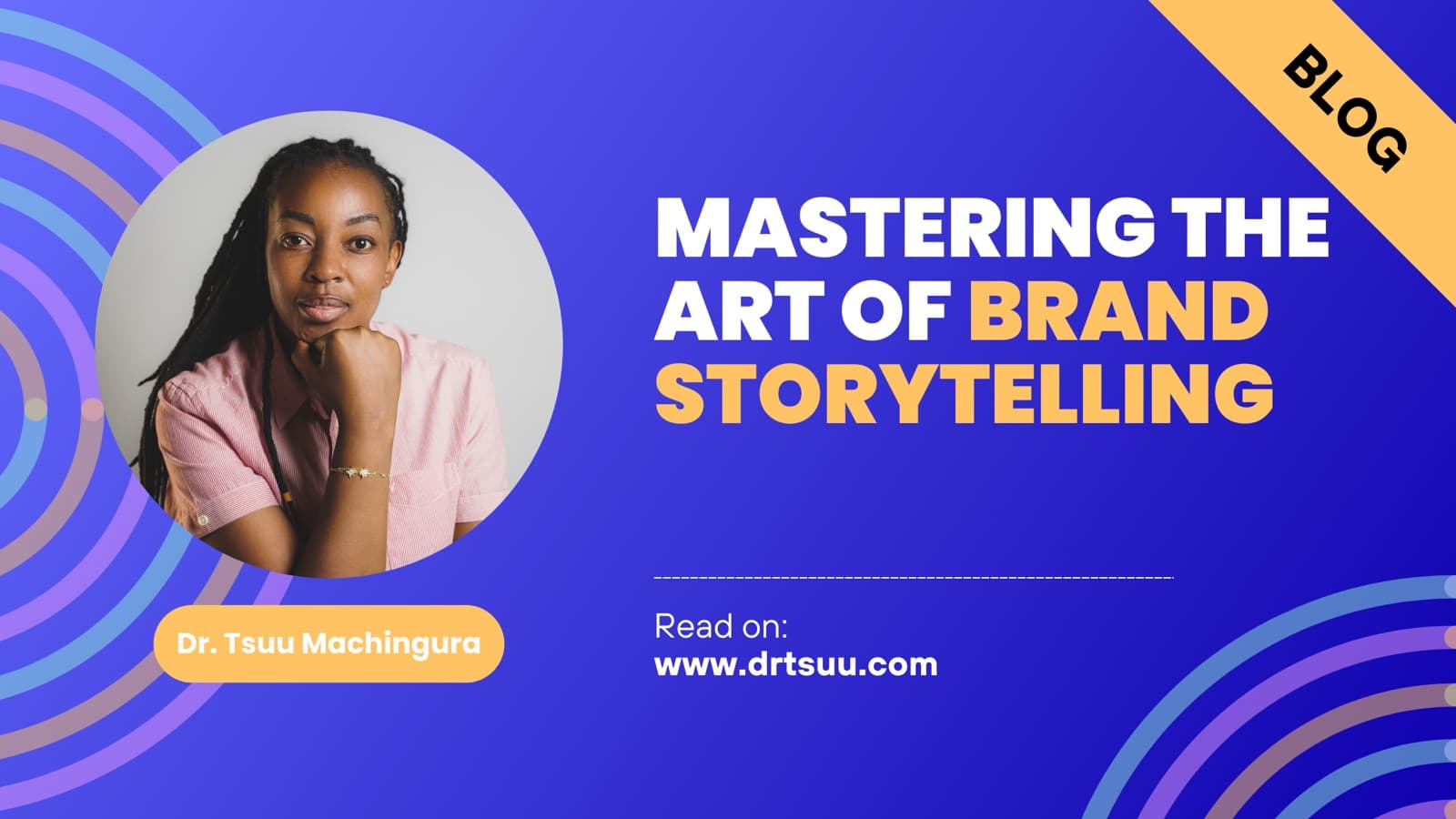
Hi, my name is Tsuu Machingura, a dynamic leader and visionary in the realm of marketing and brand strategy. With a Ph.D. in Marketing (I don’t mean to brag) and a passion for innovation, I have dedicated myself to reshaping how stories are told and brands are experienced.
Enough about me, let’s get into the topic we are focusing on in this blog – Brand Storytelling.
Why Stories Matter in Marketing
One thing I’ve learned over the years is that storytelling is a powerful tool in marketing. When I first began my career, I was focused on data-driven strategies, formulas, and the technical aspects of campaigns.
But the more I worked with brands, the clearer it became that it wasn’t just the facts and figures driving success—it was the emotional connection, the ability to tell a story that resonates with an audience.
People don’t just buy products; they buy into a brand’s story. They connect with the why behind a product, and that’s where storytelling becomes the heart of marketing.
One of the most valuable lessons I learned is that no matter how sophisticated your strategy is, if it doesn’t tell a relatable, authentic story, you miss out on the most human element of marketing: connection.
My Experience with Brand Storytelling
One project that stands out to me involved a small business struggling to build its customer base. Initially, we focused on highlighting product features and promotional deals. But despite our efforts, engagement remained low.
So, we took a different approach. We started telling the founder’s story—how she overcame personal obstacles to build her business from scratch, how her product was a reflection of her own journey, not just a commodity.
The impact was immediate. Sales increased, but more importantly, engagement skyrocketed. People began to see the brand as more than just a service provider.
It became a symbol of resilience and passion. This experience reinforced what I’ve always believed: a brand’s story is its most powerful tool. The features and benefits matter, but the story behind the brand is what creates a loyal customer base.
How to Craft Your Brand’s Story
Creating a compelling brand story doesn’t mean fabricating a narrative. Authenticity is key. People can tell when a story is forced or doesn’t align with the company’s values. Start by asking yourself: Why does my brand exist? What’s the passion that drove you to start this business? Who are the people behind your product or service?
Every successful brand has a clear why. Apple’s why is about challenging the status quo through innovation. Nike’s why is about inspiring athletes. These brands aren’t just selling products—they’re selling missions, and every piece of marketing reflects that.
Here’s how you can start building your own brand story:
1. Define Your Origin
Where did your journey begin? What problems were you trying to solve? People love to hear the origin story—this is often what makes a brand relatable.
2. Connect with Your Audience’s Emotions
Think about what emotions you want to evoke. Do you want your audience to feel inspired, empowered, or comforted? Tap into these emotions through your storytelling.
3. Be Consistent Across Platforms
Your brand story needs to be consistent, whether it’s on your website, social media, or in your advertising. This creates a unified message that reinforces your values and purpose.
Why Authenticity Wins Every Time
One mistake I often see brands make is trying to be something they’re not. In a world where consumers have more access to information and are more discerning than ever, authenticity isn’t just a nice-to-have—it’s essential.
Authentic brands are trusted, and trust is a currency that translates directly into long-term success.
People are drawn to brands that share their values. That’s why, when crafting your brand’s story, honesty and transparency should be at the core. If you’ve struggled, share that.
If you’ve learned hard lessons, talk about them. The more authentic you are, the more people will see your brand as real and trustworthy.
Closing Thoughts
At the end of the day, marketing is about more than just selling. It’s about creating a connection that goes beyond the product.
Storytelling allows you to show your audience who you are, why you do what you do, and how your brand fits into their lives. The brands that master the art of storytelling don’t just build customers; they build communities.
Remember: your story is your brand’s most valuable asset. Don’t be afraid to share it.